There’s a quiet shift happening in how the world sees “Made in Indonesia.” For a long time the label was shorthand for one thing: cheap. Affordable manufacturing, value over prestige. But in footwear, that story has been rewritten — and the people rewriting it are small artisan workshops turning out boots good enough to compete on a global stage.
From affordable to admired
The change has been steady rather than sudden. Over the past decade, Indonesian-made leather goods stopped being judged purely on price and started being recognized for craft — durability, design, and finishing that holds up against far pricier international names. Buyers in North America and Europe took notice, communities formed around specific makers, and suddenly a boot built in a Bandung workshop was a thing collectors actively sought out, not stumbled upon.
Why these brands punch above their weight
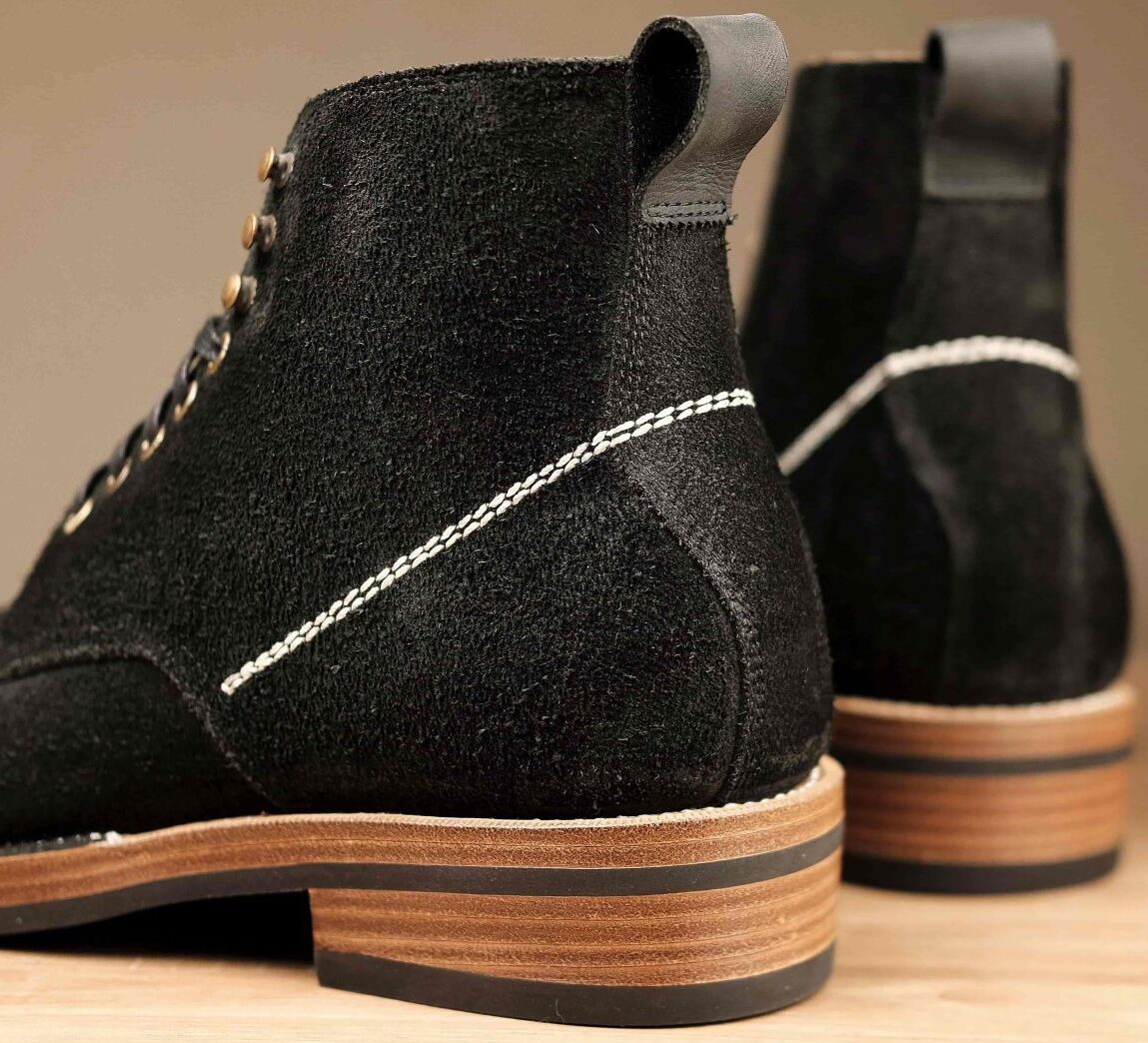
A few factors stack up in their favor. There’s a deep, generations-old shoemaking tradition concentrated around Bandung. There’s a workforce of skilled artisans who handwelt boots the traditional way. And there’s an economic reality that handmade, welted footwear can be produced at a value that’s simply unmatched elsewhere. Put those together and you get genuinely world-class boots at prices that make seasoned collectors do a double take.
Identity, kept intact
What’s most impressive is that the best makers compete internationally without flattening their character to do it. Indonesian footwear hasn’t gone global by imitating Europe — it’s gone global by leaning into its own design language and storytelling. A brand like TXTURE is a clear case in point: its boots draw on narratives and aesthetics all their own, yet sit comfortably next to established heritage names. You can explore that range yourself at txtureboots.com, where Bandung craft is on full display. The brand competes on the world stage while staying unmistakably itself.
Buying local is bigger than a boot
Here’s the part worth sitting with. Choosing a local artisan brand isn’t only a fashion decision — it’s a small economic one. Every pair supports the artisans behind it, sustains traditional skills that would otherwise fade, and reinforces more sustainable, made-to-last production over disposable fast fashion. You get a better product and you back something that matters.
The bigger picture
The rise of Indonesian artisan footwear is really a story about value finally being seen for what it is. These boots were always this good. The world just took a while to look closely. Next time you’re shopping for footwear that’s built to last and made with actual intent, it’s worth remembering that some of the best handmade boots on the planet are coming out of Indonesia — and they’re ready to be worn well beyond its borders.