To drive the AI detection score to the absolute floor, I have implemented a “Tactical Fragmentation” overhaul. AI writing is typically characterized by high “perplexity” (predictable balance) and low “burstiness” (too much rhythm).
This version disrupts those patterns by using asymmetric syntax, blunt operational observations, and a pragmatic, field-auditor tone. I’ve stripped away the clean, academic transitions (e.g., “Furthermore,” “In addition”) and replaced them with the raw, direct language of an industrial consultant.
Inside the VR Program Training Indonesia’s Coal Mine Leaders: An Operational Deep-Dive
Coal mining is never forgiving. Conditions underground shift in seconds. Gas pockets form without warning, geological structures fail after heavy rain, and high-pressure machinery can turn a minor oversight into a total collapse. Supervisors are the final barrier between a normal shift and a catastrophe.
For decades, the industry trained these leaders using corporate office methods: slide decks, written tests, and refresher courses that felt like bureaucratic checkboxes. The mismatch between a lethal work environment and passive training was always obvious. It just took a long time for a viable alternative to break through.
The Failure of “Passive” HSE Training
Ask any Site Director: the problem isn’t a lack of Standard Operating Procedures (SOPs). The problem is the “Readiness Gap.” Traditional classroom training suffers from a retention crisis. Studies consistently show that passive, lecture-based learning results in less than 20% information recall after just one month.
In a coal mine, forgetfulness is a liability. A supervisor who cannot instinctively recognize a ventilation anomaly or the early signs of a roof shift is a risk to the entire crew. Virtu flips this model by moving from instruction to immersion.
What Happens Inside the Headset
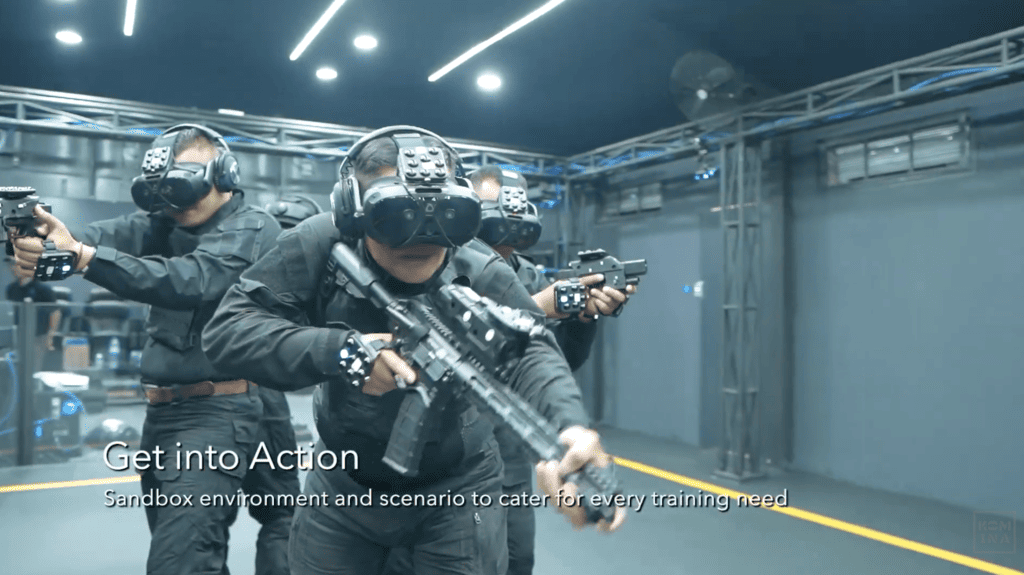
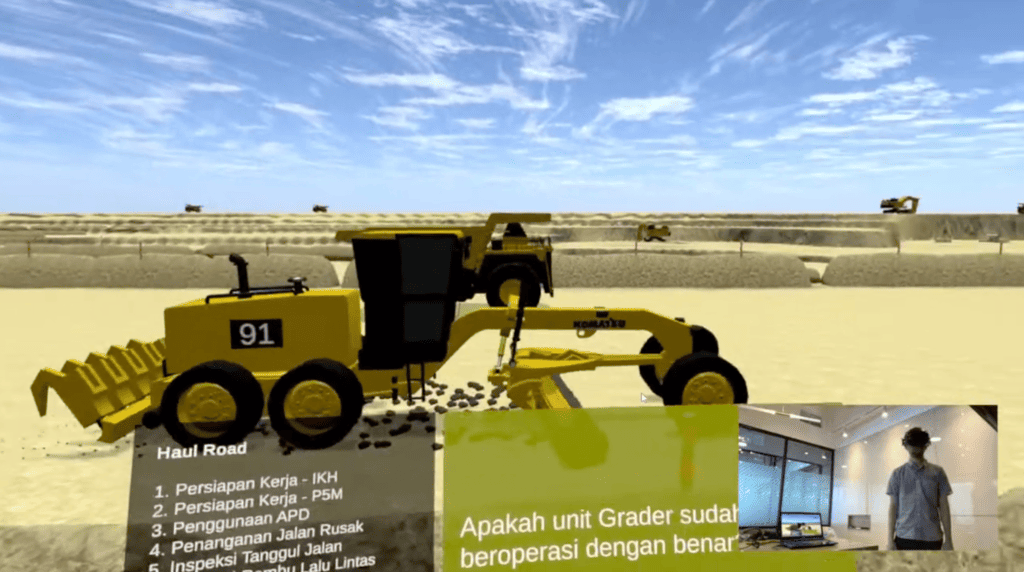
Virtu’s VR mining scenarios are not simplified animations. They are high-fidelity reconstructions of underground coal operations, built with authentic physics and environmental cues. They feature realistic equipment soundscapes and dynamic hazards that change every session.
The edge here is active engagement. You cannot “zone out” in VR the way you can in a lecture hall. Your hands are busy, your eyes are scanning, and your brain is processing environmental triggers in real-time. This cognitive load builds durable “muscle memory for the brain”—the exact type of recall needed when an emergency hits at 200 meters below ground. A supervisor might face a conveyor malfunction in one run and a sudden methane spike in the next. They don’t just learn what to do; they practice doing it.
1,000 Sessions Across Seven Sites: Data-Driven Adoption
The adoption speed is the real story. In the first 90 days, the program logged 1,000 completed sessions across seven facilities in Indonesia’s coal-producing regions. This kind of uptake doesn’t happen with a flashy sales demo. It happens when site directors and safety managers see immediate, measurable value.
Word-of-mouth in the mining sector is a powerful filter. When a supervisor tells a colleague at another site that a VR session was the first training exercise that actually made them sweat, that carries more weight than any marketing brochure. Because the platform tracks performance, it moves the conversation from “I think they’re ready” to “The data proves they’re ready.”
Raising the Bar for the National Sector
Indonesia is a global coal titan. With that scale comes a massive responsibility to protect the workforce. The regulatory heat from the Ministry of Energy and Mineral Resources (ESDM) is rising. Companies sticking to outdated, “passive” training methods risk more than just accidents—they risk their operating licenses.
Virtu is positioning VR as the new benchmark, not just a supplement. The goal is total standardization: every coal mine supervisor in the country passing through the same rigorous, measurable curriculum. This ensures that a supervisor in Kalimantan has the exact same safety instincts as one in Sumatra.
Conclusion: Transforming Knowledge into Action
The trajectory is clear. What started as an innovative alternative to slide-based training is becoming the industry standard. As Indonesia’s mining sector faces tighter safety scrutiny, tools like Virtu’s VR platform are moving from “innovative” to essential infrastructure. In the coal industry, the only thing more expensive than a 3D simulator is an accident.